Last updated: May, 2026
tl;dr: Cloud infrastructure management is now a category of stacks, not single tools. Most enterprises need three layers: an Infrastructure as Code platform such as Terraform, a monitoring and observability layer such as Datadog or AppDynamics, and a cost optimization layer that includes Lucidity AutoScaler for autonomous block storage rightsizing. Customers using this combination cut storage spend by 40 to 70 percent while gaining unified visibility across AWS, Azure, and GCP.
Cloud infrastructure has outgrown the era of single-vendor management tools. Modern environments mix Infrastructure-as-Code, observability platforms, security posture management, and cost optimization layers, often across more than one cloud provider. The right "infrastructure management tool" is almost always a stack of three or four products that cover different responsibilities and integrate cleanly with each other.
This guide compares 15 cloud infrastructure management tools across four practical categories: cost and storage optimization, provisioning and Infrastructure as Code, monitoring and observability, and unified multi-cloud management. Each entry includes its primary use case, best-fit environment, and how it complements other tools in a real stack. By the end, you will have a clear framework for assembling the combination that fits your cloud footprint.
What Are Cloud Infrastructure Management Tools?
Cloud infrastructure management tools are a set of software solutions designed to streamline the management of cloud resources and services. These tools enable organizations to deploy, monitor, optimize, and secure their cloud infrastructure efficiently.
Given the growing complexity of cloud environments and the diverse array of services offered by cloud providers, these tools are essential for businesses to manage their cloud operations effectively.
By employing such tools to manage cloud infrastructure, businesses aim to achieve the following objectives:
- Automation of workflow without the need for human intervention or monitoring. It also includes achieving flexibility and scalability without involving DevOps teams or Cloud Service Providers (CSP).
- Cost-efficiency by preventing downtimes and over-provisioning of resources.
- Saving time in the process without disruption of duties that require human attention.
- Cloud analysis to better understand infrastructure usage that can facilitate proper planning, allocation of resources, and budgeting.
However, it goes without saying that to work with cloud management tools, a competent IT team is required to ensure that the purposes and benefits of those tools are fully realized so that companies can seamlessly maintain their cloud infrastructure and achieve all their desired goals in alignment with their business objectives and budget.

Benefits of Cloud Infrastructure Management Tools
Cloud infrastructure management tools are indispensable for efficient management of cloud resources. They offer many benefits that have streamlined operational efficiencies for companies that have embraced them. Here are some key advantages provided by these tools:
- Automation of Complex Processes: Working with large volumes of data is generally a very complex and tedious, which calls for cloud computing solutions. However, even cloud management tools have a certain level of complexity because they handle several different tasks, such as optimizing resources, managing storage, safeguarding data and confidential information, scaling, etc., all of which require human intervention to monitor them and manually perform all necessary actions.
With the rise of AI and ML tools integrated with cloud computing and management tools, automation has never been easier. These tools have been revolutionary in streamlining cloud management processes within limited time frames and with little to no errors. This has allowed employees and management teams to focus on high-value tasks that require human attention, which has given a significant boost in productivity.
- Enhanced Cost Savings: Cloud infrastructure management tools help organizations optimize their cloud spending by providing insights into resource utilization and identifying opportunities for cost savings. By analyzing usage patterns and recommending right-sizing options, these tools enable businesses to eliminate wasteful spending and maximize their return on investment (ROI) in the cloud.
- Scaling: With cloud infrastructure management tools, organizations can easily scale their resources up or down in response to fluctuating demand. Whether it's provisioning additional virtual machines to handle increased workload or dynamically adjusting resource allocations based on traffic patterns, these tools ensure that businesses can maintain agility and flexibility in their operations.
- Reporting: Reporting is an additional benefit offered by cloud management tools. These tools can measure cloud usage across teams and even multiple divisions in an organization's structure. From reports generated, operations teams and management can identify areas with the highest and lowest cloud usage and compare that data against their revenue and budget. This gives them a better understanding of how cloud services benefit their business and facilitates better decision-making regarding cost-savings and resource allocation.
Cloud Infrastructure Management Tools
This section provides an overview of the top 15 cloud infrastructure management tools, each offering unique functionalities to help businesses streamline operations, enhance security, and maximize the value of their cloud investments.
1. Lucidity
Category: Cost optimization (block storage).
Best fit: enterprises spending $50k/month or more on block storage across AWS, Azure, or GCP.
Lucidity turns cloud storage management from a reactive chore to a proactive advantage. Block storage is consistently the largest under-managed line item on a cloud bill. Enterprise teams use only about 30 percent of the EBS, Managed Disk, or Persistent Disk capacity they pay for, because the cost of running out (downtime) is so much higher than the cost of overprovisioning. Lucidity AutoScaler closes that gap by autonomously rightsizing overprovisioned block storage volumes in real time, without downtime, without re-architecture, and without manual intervention.
Lucidity also offers Lucidity Lumen for Azure, the visibility, recommendations, and actions engine for cloud storage. Lumen handles storage optimization efforts that are best with human-in-the-loop, includicing right-tiering disks (e.g. Premium to Standard SSD) and identifying and cleaning up four types of idle disks across subscriptions.
Key capabilities:
- Autonomous rightsizing of AWS EBS, Azure Managed Disks, and GCP Persistent Disks.
- No downtime shrinks and expands; scoped, targeted actions on specific overprovisioned volumes only.
- Continuous optimization that compounds savings as data and environments grow.
- SOC 2, pen test reports, and security documentation available for InfoSec review.
Customer results:
- A large information management firm ($6B+ revenue): $1.5M in annual savings, 46 percent storage cost reduction, 2x disk utilization improvement (40% to 80%) across 1PB+ of data.
- A global airline ($54B+ revenue): $88,000 per month in savings, 77 percent ROI, zero unplanned block storage downtime.
- A Fortune 500 financial services firm: 40 percent reduction in storage spend across 13 business units.
How it fits the stack: Lucidity AutoScaler sits next to your Infrastructure as Code platform (Terraform), monitoring layer (Datadog, AppDynamics), and broader FinOps platform (Apptio Cloudability, Flexera, CloudHealth). It is the only tool in this list that actually shrinks block storage volumes autonomously.
Where to start: Start with a self-serve Lucidity Assessment, a free, agentless, read-only scan that uncovers hidden block storage insights for your environment and quantifies your savings opportunity in 15 minutes. It takes three steps to run and there's no commitment to act on the results if they don't impress you.
2. CloudBolt
CloudBolt stands out as a hybrid cloud management solution, offering a unified interface for seamlessly integrating and efficiently managing both on-premises resources and public clouds. Its robust suite of tools empowers users to streamline workflows and optimize resources across various technologies and cloud service providers. CloudBolt facilitates easy importation, synchronization, and management of both legacy and modern cloud environments, enhancing flexibility and agility in cloud management operations.
3. Terraform
Developed by HashiCorp, Terraform is a popular open-source Infrastructure-as-Code (IaC) platform that over 32,000 companies worldwide use as of 2024. Users can build and change their cloud infrastructure efficiently through automated infrastructure provisioning and resource management while simplifying governance and collaboration measures between teams.
4. Flexera
Flexera was built to optimize cloud spending through automatic resource optimization, budget control, cost policies, aggregation of bills, and identifying savings opportunities wherever possible. What sets this platform apart from its competitors is that it acts on recommendation, which enhances efficiency and scalability in cost controls.
5. AppDynamics
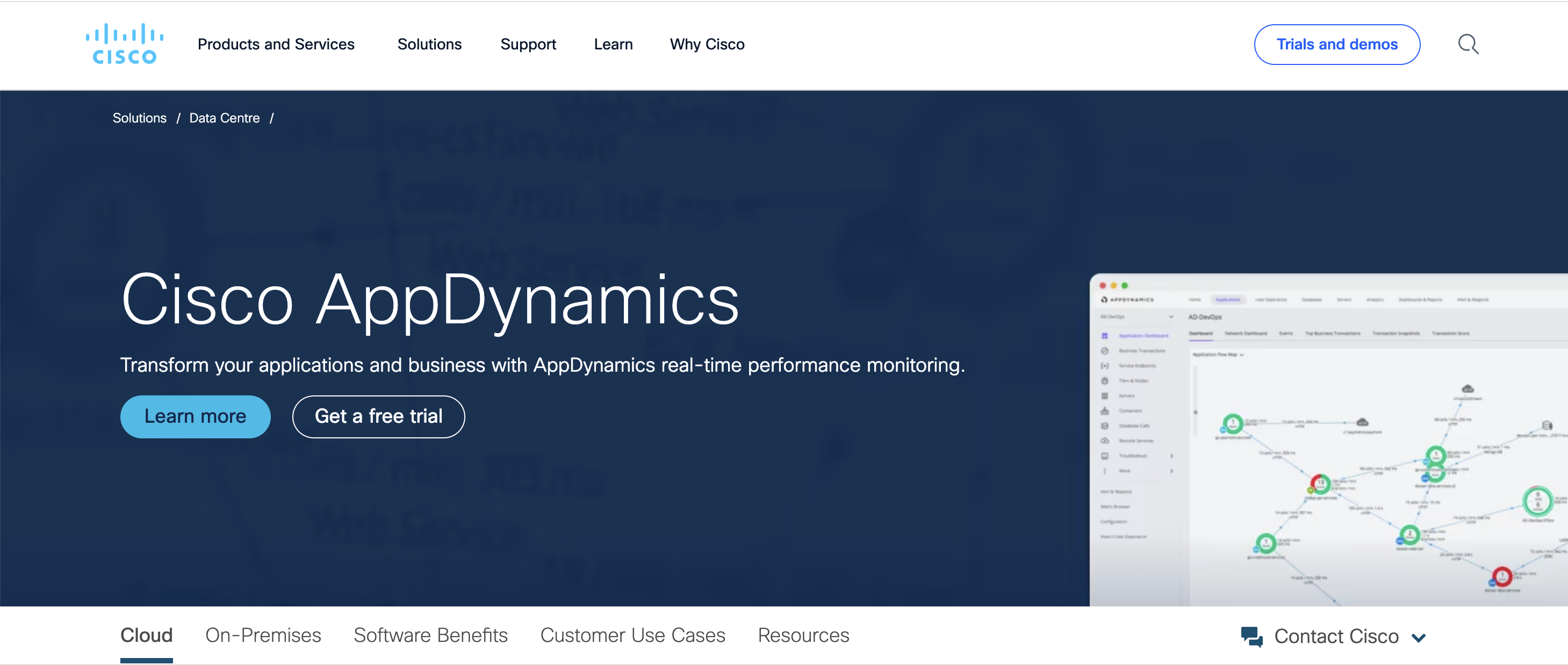
Developed by Cisco, AppDynamics provides users with full-stack management tools for cloud infrastructure, applications, and security. This solution can optimize applications and resources by managing key business metrics, code-level issues, and APIs. It also provides users with insights into customer experiences so they can be improved further.
6. Datadog
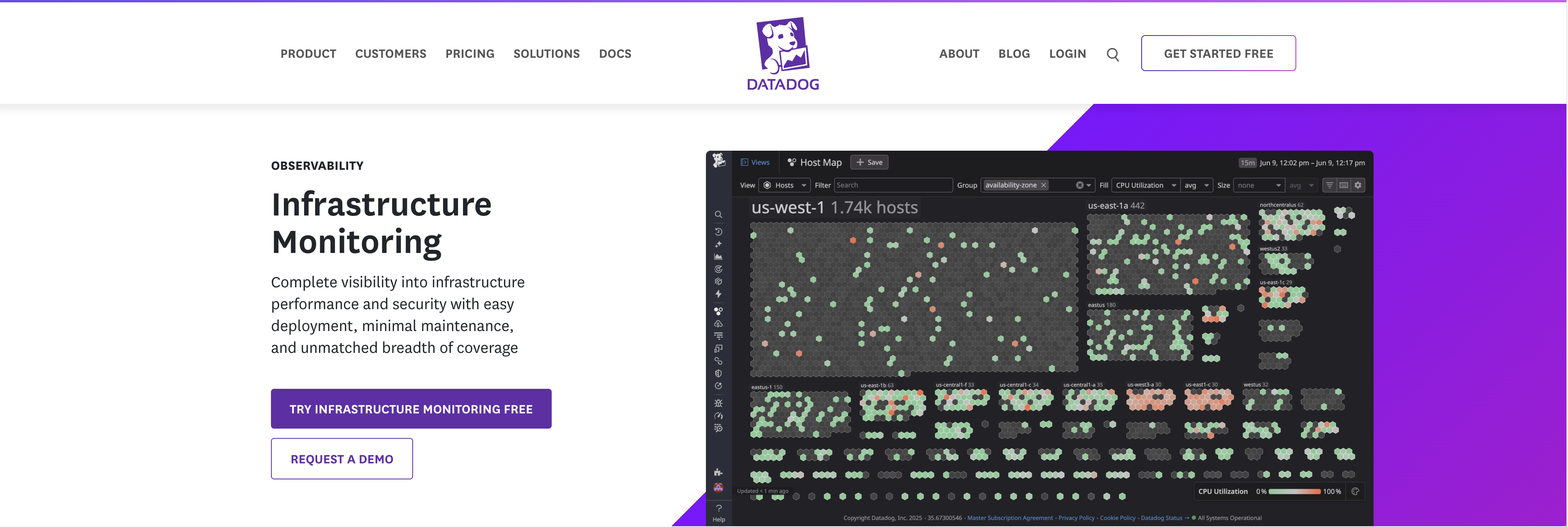
Datadog is a popular SaaS-based cloud monitoring and analytics solution that companies with large-scale applications and Cloud infrastructure primarily use. With over 200 vendor-supported integrations, the platform provides full-stack observability by combining real-time metrics from servers, applications, and databases with end-to-end tracing. Datadog provides insights on cloud expenditure and recommendations on rightsizing to optimize cloud spend.
7. TotalCloud
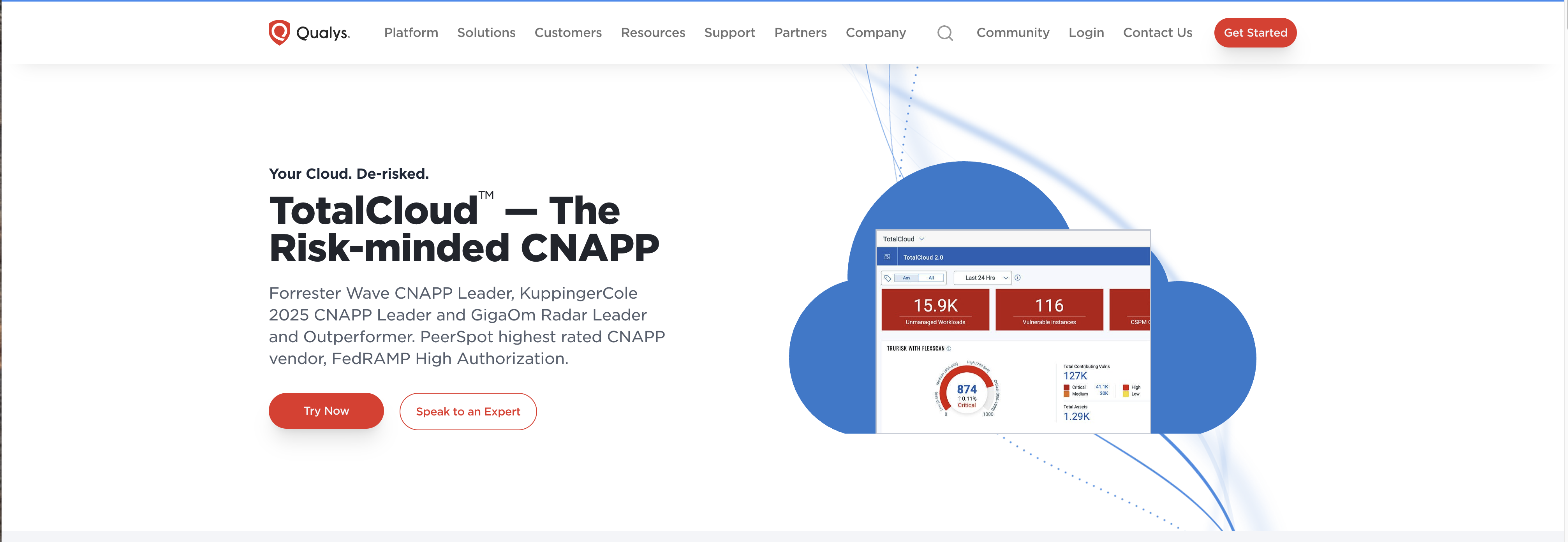
Developed by Qualys, TotalCloud is an all-in-one cloud infrastructure security solution that gives users deep visibility into their cloud environment after activation. One of the salient features of this platform that sets it apart from others is that it offers maximum customizability in automating cloud management, regardless of its complexity. Users can build automation bots and manage workflows efficiently without having to code.
8. Apache CloudStack
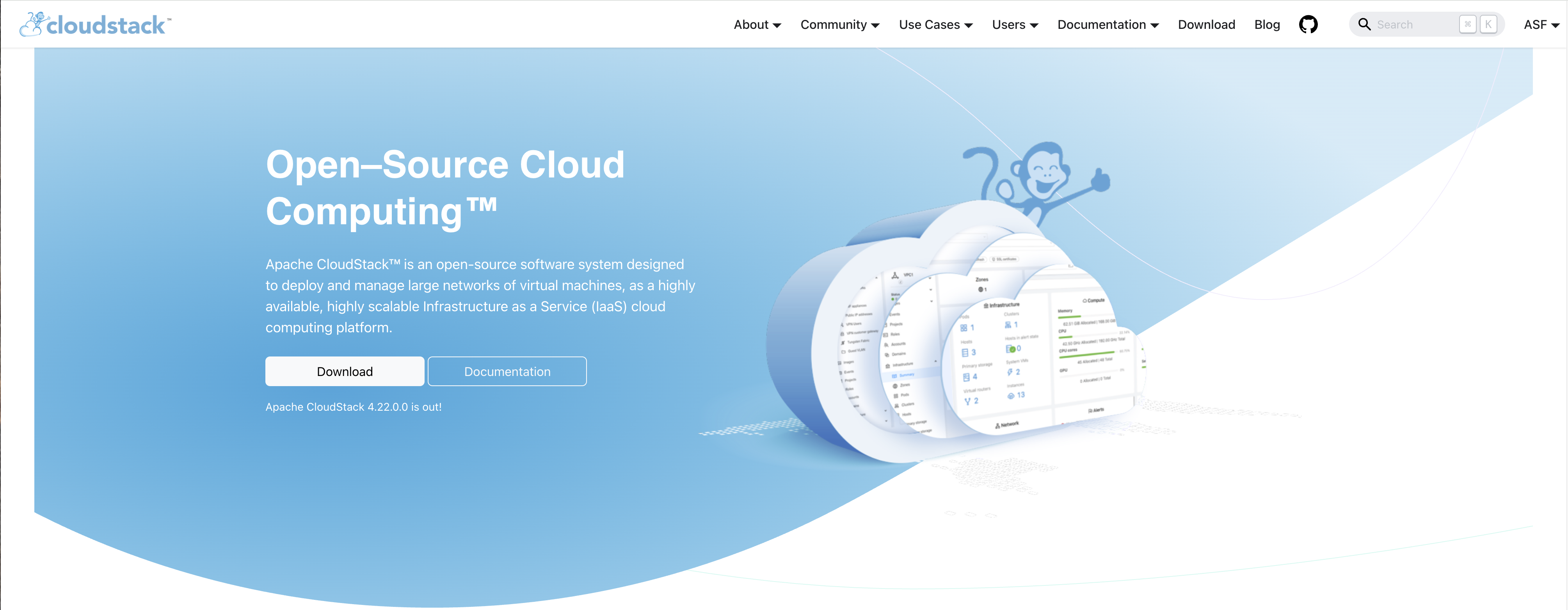
Apache CloudStack is predominantly an open-source Infrastructure-as-a-Service (IaaS) cloud computing platform. As the name suggests, it has been built to provide a full "stack" of features needed for IaaS management, starting with a simple and easy-to-use interface, user and account management, automated cloud configuration, etc.
Despite CloudStack's numerous features, its steep learning curve and complex configurations will require teams to undergo some training to fully realize the platform's benefits.
9. IBM (Apptio) Cloudability
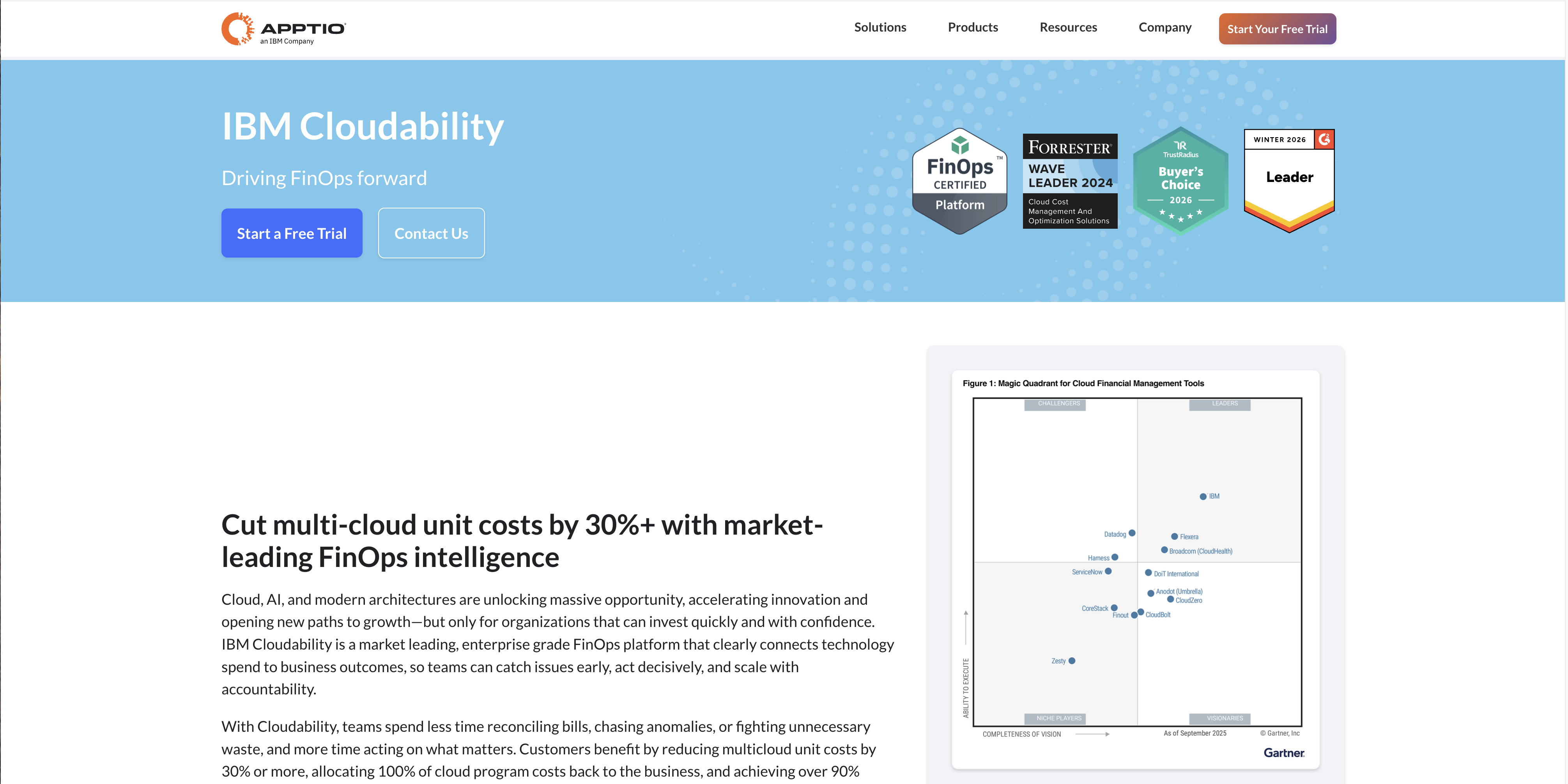
IBM (Apptio) Cloudability is a financial management platform that analyzes technological spending and operational data to produce insights on optimizing cloud resources to improve speed and performance and reduce costs. What sets this tool apart is that its primary focus is FinOps. This means that it looks into the financial aspects of the cloud environment and provides budgeting, forecasting, and right-sizing features to support the finance teams and executives in understanding cloud spend and driving business decisions accordingly.
11. Morpheus Data
Morpheus Data, now part of HPE, is a self-service cloud management tool with infrastructure provisioning and orchestration capabilities that allow DevOps teams to automate cloud management workflows and optimize cloud costs. This tool enables users to build and manage a public cloud and govern hybrid clouds. What sets it apart is its simple interface and integration capabilities with other cloud tools such as Terraform, Jenkins, Chef, etc.
12. Cloudhealth by Broadcom
Developed under VMware, Cloudhealth provides its services through a single interface where users can manage cloud costs, enhance cloud performance, and access robust security features to safeguard important and confidential data. The platform's comprehensive set of tools allows users to efficiently manage and optimize cloud resources to derive higher business value, and it also has multi-cloud support with environment monitoring for AWS, Azure, and GCP.
13. OpenStack
OpenStack is a free, open-source cloud computing solution deployed as an Infrastructure-as-a-Service in public and private clouds. The tool helps users manage computing tasks and optimize storage and networking resources through APIs. Additionally, its functionality extends to fault, identity, and service management, all managed by three interfaces: web-based dashboard, command-line tools, and RESTful web services.
14. CloudCheckr by Flexera
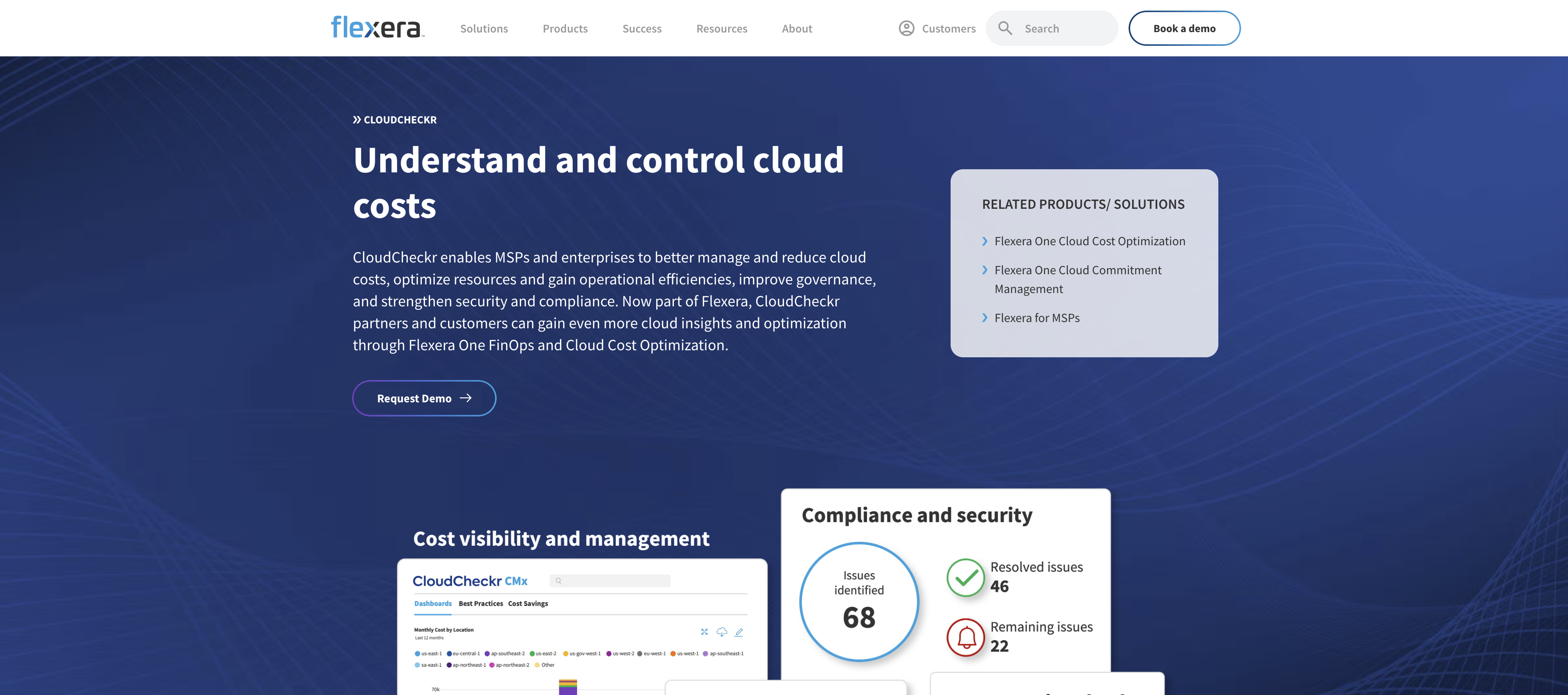
CloudCheckr, now a part of Flexera, is an end-to-end cloud management platform mostly used by large enterprises and managed service providers (MSPs). It enables companies to seamlessly manage and reduce cloud costs, optimize resources, improve governance, and scale multi-cloud environments within a single platform. Additionally, it offers more visibility and analytic tools for cloud spend as well as automation capabilities.
15. Rubrik
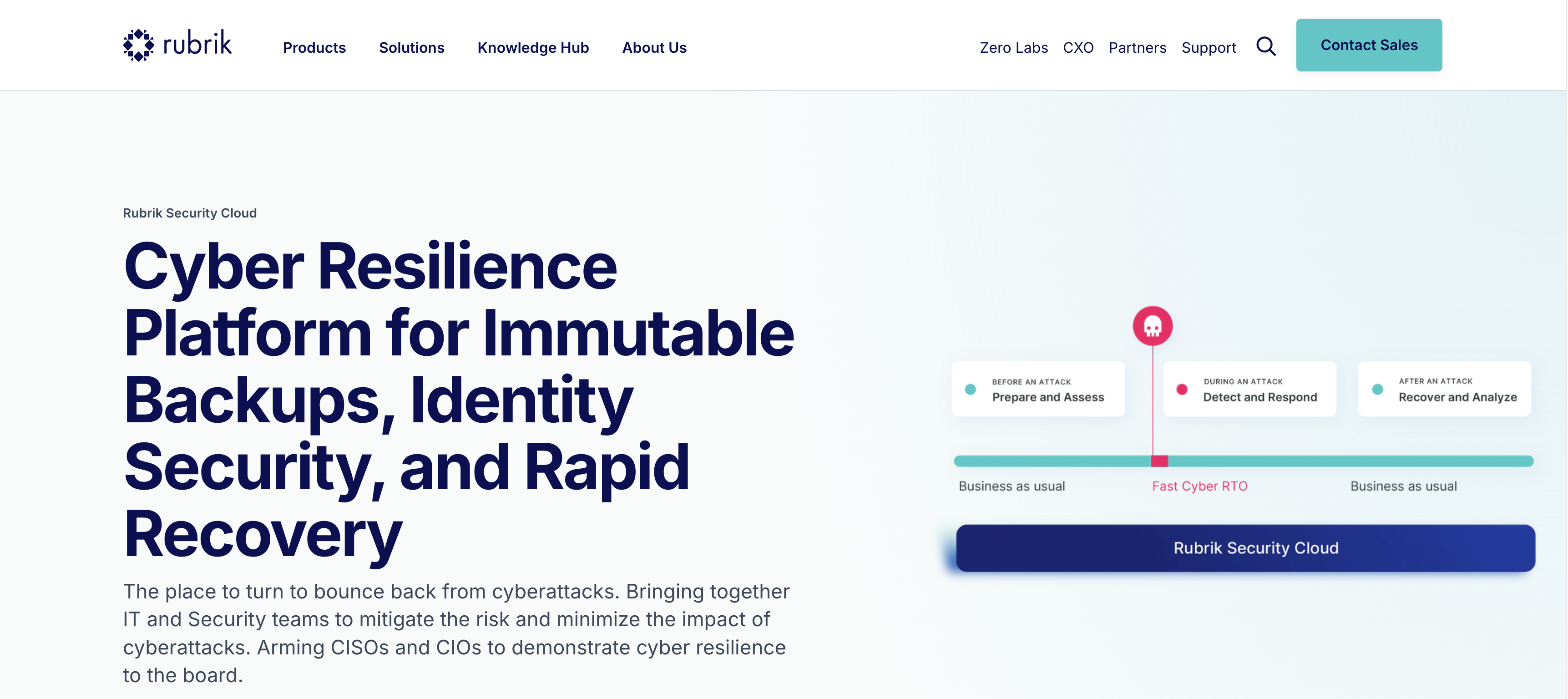
Rubrik is a popular multi-cloud data management and protection tool that technically isn’t a dedicated cloud management platform, but it can still perform cloud data management and protection activities. Azure, AWS, and GCP application data will be cyber-proofed through secure and access-controlled backups, ensuring higher data security under all cloud platforms.
Frequently Asked Questions
Q1. What are cloud infrastructure management tools?
Cloud infrastructure management tools are software platforms that provision, monitor, secure, govern, and optimize cloud resources across AWS, Azure, and GCP. Most enterprises run several in combination: an Infrastructure as Code tool, a monitoring platform, a governance layer, and a cost optimization tool such as Lucidity AutoScaler.
Q2. How do I choose the right cloud infrastructure management tools?
Map your needs to four categories: cost optimization, provisioning and IaC, monitoring and observability, and governance and security. Pick one strong tool per category rather than a single platform that claims to cover everything. Layered stacks consistently outperform monolithic platforms on real cloud bills.
Q3. What is the most overlooked area of cloud infrastructure management?
Block storage. Enterprise teams use only about 30 percent of the EBS, Managed Disk, or Persistent Disk capacity they provision, but most infrastructure management tools cover only compute. Lucidity AutoScaler addresses this gap by autonomously rightsizing block storage without downtime.
Q4. Can cloud infrastructure management tools work across AWS, Azure, and GCP?
Yes. Modern tools including Lucidity, Datadog, Flexera, and Terraform all support multi-cloud. Native cloud tools (AWS Cost Explorer, Azure Cost Management, GCP Billing) remain the source of truth for billing, but third-party platforms add cross-cloud visibility and automation that no single CSP can provide.
Q5. How long does it take to deploy cloud infrastructure management tools?
Agentless tools such as the Lucidity Assessment deliver results in 15 minutes. Infrastructure as Code rollouts take weeks to months depending on existing automation maturity. Monitoring deployments typically take two to six weeks. Plan the full stack rollout as a phased program rather than a single project.
Q6. Do cloud infrastructure management tools replace cloud engineers?
No. They eliminate manual toil so engineers can focus on architecture, security, and reliability. The autonomous capabilities in tools such as Lucidity AutoScaler remove repetitive rightsizing work, but humans still own design, incident response, and strategy.
Q7. What is the typical ROI from cloud infrastructure management tools?
ROI varies by category. Cost optimization tools have the most measurable returns: Lucidity AutoScaler customers typically see 40 to 70 percent savings on block storage spend within weeks. Monitoring and IaC tools deliver returns through reduced incidents and faster deployment cycles, which are slower to attribute but compound over time.
Q8. Are these tools secure for production cloud environments?
Mature platforms in this category offer SOC 2 reports, scoped permissions, pen test documentation, and read-only assessment modes. Lucidity starts with a fully agentless, read-only Assessment that requires no production write access, which is the model most security teams accept on the first review.
Table of Contents
Sign Up

Ankur Mandal